
Trophy Wife Holds Up A Funhouse Mirror on Latest LP 'Pathetic'
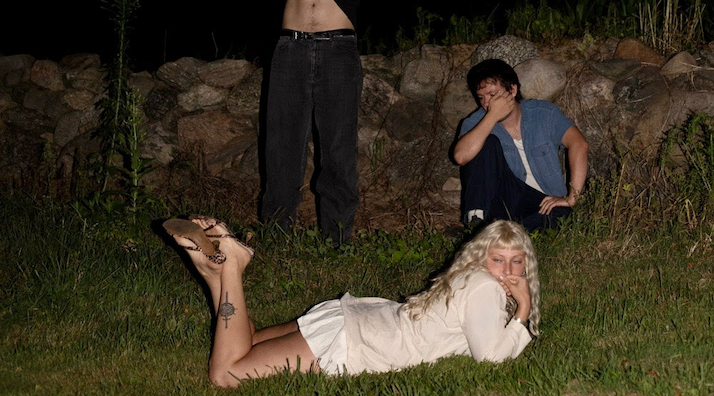
Trophy Wife have never been interested in making themselves comfortable. On Pathetic, the Brooklyn alt-rock trio trades the outward fury of their debut Get Ugly for something far more unsettling: turning the spotlight inward and examining desire, insecurity, shame, and the contradictions that exist beneath the surface.
Brooklyn-based alt-rock trio Trophy Wife have built a devoted following in New York’s DIY scene through their raw live performances and grunge-leaning sound. Formed during their time at Berklee College of Music in Boston, the band has carved out a distinct space within modern indie rock, blending the emotional intensity of ’90s alt legends like The Cranberries and Nirvana with the sharper edges of contemporary acts like Wednesday and Blondshell.
Where Get Ugly channeled frustration outward, confronting the expectations and systems that force women into submission, Pathetic exists in a much murkier space. Rather than searching for someone else to blame, frontwoman McKenzie Lazzetta uses the album as an opportunity for self-examination, exploring the complicated spaces between confidence and insecurity, desire and self-destruction. As Lazzetta explains, the record “feels like trying to figure out what you actually look like, but you only have a funhouse mirror.”
That distorted reflection becomes the foundation of Pathetic. The album is not interested in presenting vulnerability as a clean journey toward self-discovery. Instead, Trophy Wife embraces the uncomfortable moments: wanting what hurts you, recognizing your own patterns, and still finding yourself drawn back to them anyway. It is a record built around contradiction, capturing the tension between knowing better and giving in.
The lead single, “So Hard,” immediately establishes that conflict, with Lazzetta’s commanding vocals and the band’s abrasive, distorted instrumentation, exploring the push and pull between power and surrender. “You know your limits, and I don’t have any,” she sings, capturing the album’s fascination with the moments when desire overrides logic. The song’s intensity comes from its refusal to separate confidence from vulnerability, allowing both to exist at once.
That same tension carries into “Kind of Girl I Am,” where Lazzetta questions identity and instinct through fragmented snapshots of attraction and uncertainty. “Can’t help but trust your mouth / Just not a word you’re saying,” she sings, summing up one of Pathetic’s central struggles: recognizing that something may not be good for you while still being unable to resist its pull.
On “Paragraph,” Trophy Wife turn that self-examination toward the impossible standards we create for ourselves. The track finds the band reflecting on the gap between who she wants to be and who she actually is, describing it as “an unsuccessful attempt to romanticize your life and instead settle into the feeling of being what can only be described as ‘girlfailure.’” Rather than hiding those insecurities, she transforms them into some of the record’s most honest moments.
Musically, Pathetic mirrors that emotional instability with a sound that feels equally claustrophobic and explosive. Producer Charles Dahlke helps shape an atmosphere filled with distortion, tension, and textured layers, while Lazzetta’s vocals move effortlessly between grit, vulnerability, and biting confidence. The result is a record that feels intimate and overwhelming at once, like overhearing a private confession amplified through massive speakers.
Tracks like “Alone” reveal a quieter side of Trophy Wife, leaning into loneliness and late-night vulnerability. Meanwhile, album closer “Dirty Movie” brings the record’s themes together in one final collision of desire, regret, and chaos, capturing the album’s greatest strength: its ability to sit with uncomfortable feelings without trying to resolve them.
With Pathetic, Trophy Wife proves that vulnerability does not have to arrive in the form of stripped-back confessionals. Sometimes it sounds like distortion, desire, and a voice fighting against itself. By refusing to clean up the contradictions at the center of their music, the band has created their most honest and fully realized record yet.
![wakelee Are Learning to Live With the Unfinished Parts of Themselves [Q&A] | THE NOISE](https://s3-us-west-2.amazonaws.com/onestowatch-v2/unnamed-1792091490.jpg)
![Moody Joody Draw Us Closer to their Debut EP, Plain Jane [Q&A]](https://s3-us-west-2.amazonaws.com/onestowatch-v2/unnamed-1791228468.jpg)