wakelee Are Learning to Live With the Unfinished Parts of Themselves [Q&A] | THE NOISE
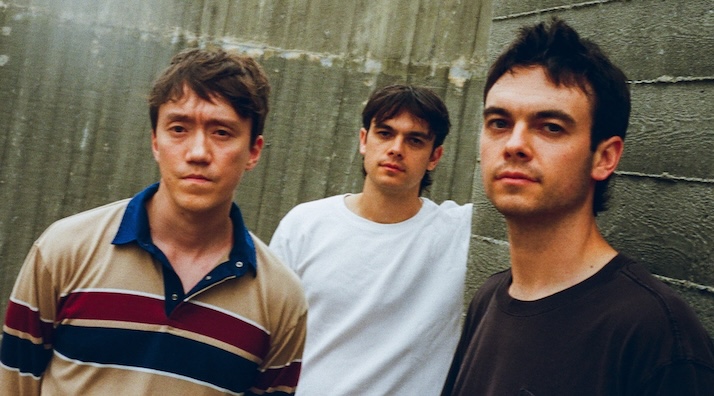
Photo by Gabe Drechsler
At some point, we’re supposed to become the people we always imagined we’d be. The ones who have their lives together, know exactly where they’re going, and don’t spend half their time wondering if they’re doing any of this right. Except nobody really tells you what happens when that moment never comes. For Brooklyn indie rock trio wakelee, the answer might be to stop waiting for it altogether.
On their sophomore album, Under Construction Forever, brothers Alex and David Bulmer and bassist Elliot Shiang aren’t pretending to have any of the answers. Instead, they’re making sense of the things that don’t quite make sense, finding entire worlds of feeling in forgotten passwords, old T-shirts, and the complicated business of loving people when love alone isn’t enough. It’s messy, occasionally uncomfortable, and painfully familiar, but that’s what makes it feel so human.
After years of pandemic detours, DIY tours, and wondering when things might finally start falling into place, wakelee are finding their footing without mistaking it for a finish line. The Noise had the chance to ask the band about the record, what they haven’t figured everything out, and how they’re no longer waiting until they do to enjoy the ride.
OnesToWatch: There’s something almost funny about the idea that we’re all supposed to figure out how to be adults, when most of us are just making it up as we go. Under Construction Forever seems to embrace that feeling instead of trying to resolve it. When did you realize that maybe there isn’t some finish line where everything finally clicks into place?
wakelee: I don’t think I’ve ever had an “A-ha!” moment in my entire life, but I think I started to worry less about some end goal after seeing both of my parents get sick. You can have everything or nothing, and at some point they’re the same.
When you look back at wakelee’s self-titled debut, you’ve described it as “scrappy,” and there’s something sweet about being able to look at an earlier version of yourselves with that kind of honesty. What do you hear in those songs now, and how much of the band you are today was already there, even if you hadn’t figured out how to bring it out yet?
I think a lot of what makes us today was already there on that first record. We just didn’t necessarily have the experience or ability to execute everything the way we wanted to. Listening back, I hear a band that was still figuring out its identity, but I also hear a lot of the same instincts and ideas that we still gravitate toward today. I think we’ve just gotten better at translating those ideas into actual songs.
One of my favorite things about the way you’ve described this album is how much weight you give to the little things. An old T-shirt, a forgotten password, waiting for a ride you know isn’t coming. These are such ordinary moments until suddenly they’re not. When you’re writing, how do you know when a small detail is actually telling you something bigger about yourself or someone you love?
There’s a song by the band A Great Big Pile of Leaves called “Writing Utensils” that really inspired me to try to write about mundane, day to day stuff. Any life experience always has a detail or something tangible tied to it. It’s fun to try to find those. I don’t necessarily know what those details mean right away, but they tend to reveal themselves later.
“Joyce Kilmer Service Area” and “Statue” both get at something that’s hard to admit about loving someone. Sometimes their pain starts to become your pain too and there’s a point where empathy and exhaustion can exist in the same place. I can only imagine that that’s a complicated thing to sit with. How did writing these songs help you make sense of that feeling, if it did at all?
Yeah, it’s a strange dynamic. It didn’t necessarily provide a solution or next steps, but it helped me sit with an emotion and try my best to articulate it.
You mentioned that “Sundial” was the moment when the album started coming together, after days of trying ideas that weren’t quite working. I love the idea that the song that eventually became the record’s starting point was also the moment you realized you were onto something. What was different about that session, and did it change the way you approached the rest of the album?
We went into a writing retreat with the expectation that we were going to write an entire record. A few days went by and we were not pacing well to have nearly enough ideas. Elliot picked up the guitar and started playing the main rhythm from Sundial and it got all of us excited. It was the first song in that session that we didn’t over think, which we used as a blueprint for the rest of the record.
There’s a lot of movement on this record, from the more stripped-back moments on “See It Now” to the huge guitars and unexpected textures elsewhere. It doesn’t feel like you’re trying to fit into one particular version of indie rock or emo. Were you consciously giving yourselves permission to get a little weirder with this album, or did you reach a point where you stopped worrying about whether every song sounded like it belonged to the same band?
Our producer, Zach, does a great job at making us feel comfortable following the song regardless of how it “fits”. You can massage that later. As long as there’s a song at the core of what you’re working on, you can fuck around with everything else.
You started wakelee in 2019, and then the pandemic came along and disrupted those early years when you were still figuring out what the band could be. Now, several years later, you’re putting out this record and stepping into a much bigger chapter. Do you ever think about how differently things might have unfolded if everything had happened on the timeline you originally imagined? And are you grateful for anything that the detours taught you?
Yeah, it’s very easy for me to fall into “What if?” purgatory. Especially when it comes to covid. For like 6 months, we were all in separate parts of the country passively working on music. It definitely felt like it slowed us down, but we’re excited to be where we’re at now.
Alex and David, you grew up together long before you started making music together, and wakelee’s name even comes from a place tied to those childhood memories. As an identical triplet myself, I have to ask, how does that lifelong familiarity show up when you’re writing or playing together? Can you communicate something musically without having to explain it to each other first, or does being that close just make it easier to get under each other’s skin?
Damn, identical triplet. David and I have been playing together for a very long time, so we’re both very aware of each other’s tendencies and influences. Being brothers also allows us to be more direct and pissy with each other with very little consequences.
Elliot, you’ve been part of this band since the beginning too, which means you’ve had a front-row seat to all those changes and growing pains. When you think about the version of wakelee you joined versus the band you’re making music with now, what’s changed the most? And what do you think each of you brings to the group that the other two might not have arrived at independently?
In the early days it felt like we were “dogs chasing cars” in terms of our writing. We’d get excited by every potential new section of a song - to the point where we’d end up keeping most or all of those ideas in the final master - even if it wasn’t necessarily cohesive. Nowadays we’ve really honed in on the idea of having songs that get straight to the point, and sections that don’t overstay their welcome, and we’re generally more confident in our writing.
You’ve spent years balancing day jobs, DIY tours, and all the unglamorous parts of trying to keep a band moving forward. Now you’re releasing your first album for Wax Bodega and touring alongside bands you’ve shared a musical world with for a long time. Alex, you mentioned that it’s strange to have things happening “so late,” but that the experience has also made you more grateful. What does success look like to you now, compared with what you thought it would look like when you were younger?
I tend to always look for context from other artists and it’s never productive. Observations like “Ok, this artist released this record when they were 19, and had 2 more records come out before they were 26, so if I get on a similar track, I’ll end up where I should be”. It doesn’t make sense and it’s dumb. It sucks the joy out of something that is supposed to be fun. I realized that every artist has an entirely unique path and comparing trajectories is useless. I try to just focus on making music that gets us excited and let everything else follow.
Something I keep coming back to on this album is the idea that working on yourself doesn’t necessarily mean you’ll stop feeling inadequate. You can grow, recognize your mistakes, and try to do better, and still find yourself back in familiar patterns. Has making this record changed the way you think about personal growth? Or has it made you a little more accepting of the fact that some things might always be works in progress?
The latter. I think you’re a psychopath or lying if you believe you have everything figured out.
The album is called Under Construction Forever, but there’s also something hopeful about that idea. If you’re never really finished becoming who you are, there’s always room to surprise yourself. Now that you’re stepping into this next chapter as a band, what feels possible for wakelee that maybe didn’t feel possible a few years ago? And what parts of the journey do you hope you never outgrow?
A few years ago, pretty much only our friends and family would hear our music or come to shows. It’s very refreshing to release music to an engaged audience and play shows. I hope it remains refreshing!
Listen to Under Construction Forever below:
![Cavetown is A Fun Adult Who Does Things in New York City [Q&A]](https://s3-us-west-2.amazonaws.com/onestowatch-v2/image47-1791580275.jpeg)